

How Personal Growth Changes the Way You Respond to Stress

Stress is an inevitable part of life, affecting everyone at different times and for various reasons. Whether it’s due to work, relationships, financial struggles, or health concerns, stress can feel overwhelming and often triggers a “fight or flight” response. However, as we grow personally, emotionally, and mentally, our ability to handle stress shifts dramatically. Personal growth not only changes the way we perceive stress, but also transforms our reactions, helping us handle challenges with greater resilience, clarity, and balance. Here’s how personal growth changes the way you respond to stress.
1. Increased Self-Awareness
Personal growth begins with self-awareness, the ability to understand your emotions, thoughts, and behaviors. As you develop greater awareness of your stress triggers, patterns, and reactions, you start to realize how much control you have over your responses. Rather than reacting impulsively or letting stress control your life, you become more mindful of the way you think and feel.
What to Expect:
- You begin to recognize when stress is taking hold of you.
- Increased mindfulness allows you to choose how to react, rather than being driven by automatic emotional responses.
- You can catch yourself before spiraling into panic or frustration, giving you more control over your actions.
2. Changing Your Mindset
One of the most transformative aspects of personal growth is the shift in mindset. As you evolve, you learn to see challenges, including stress, as opportunities for growth rather than threats to your well-being. With a positive and growth-oriented mindset, stress becomes less about survival and more about learning how to adapt and thrive under pressure.
What to Expect:
- You view stress not as something to avoid, but as a tool for growth.
- You embrace challenges with the understanding that they can build resilience and lead to personal development.
- The ability to reframe stressful situations, turning obstacles into opportunities, becomes second nature.
3. Improved Emotional Regulation
Personal growth leads to better emotional regulation. As you learn more about your emotions and develop coping mechanisms, you become more adept at managing your feelings. Rather than allowing stress to trigger negative emotional outbursts, you can regulate your emotional responses, staying calm and composed in the face of adversity.
What to Expect:
- You feel more in control of your emotions, reducing the likelihood of reacting impulsively or angrily under stress.
- Techniques like deep breathing, meditation, or journaling become helpful tools to manage emotional turbulence.
- You become less overwhelmed by emotions, experiencing more peace and clarity even during stressful times.
4. Better Problem-Solving Skills
As you grow, you also develop enhanced problem-solving abilities. Instead of focusing solely on the negative aspects of a stressful situation, you learn to analyze it more logically and come up with effective solutions. Stressful situations no longer leave you stuck or helpless; instead, you approach them with the mindset of finding solutions and taking actionable steps to resolve the issue.
What to Expect:
- When stress arises, you’re able to step back, assess the situation, and develop a plan of action rather than feeling paralyzed or anxious.
- You rely more on logic and less on emotional responses, which leads to better decision-making.
- You’re less likely to feel overwhelmed by problems because you focus on finding practical solutions.
5. Building Resilience
Personal growth fosters resilience, the ability to bounce back from adversity. As you navigate the ups and downs of life, you gradually become stronger and more capable of handling stress. You begin to trust in your own ability to cope with difficult situations, knowing that you can handle whatever comes your way.
What to Expect:
- You become more adaptable, able to weather stressful events without losing your sense of stability.
- You develop a deeper sense of confidence, knowing that you can handle challenges and come out stronger on the other side.
- Stressful situations no longer feel as daunting because you trust in your resilience and ability to manage them.
6. Healthier Coping Mechanisms
Personal growth often involves developing healthier coping mechanisms for dealing with stress. Over time, you become more conscious of the strategies you use to manage stress. Instead of turning to unhealthy habits like overeating, substance abuse, or withdrawing from others, you begin to adopt more positive practices such as exercise, meditation, or seeking support from loved ones.
What to Expect:
- You replace stress-induced behaviors like procrastination, avoidance, or numbing with healthy coping strategies.
- Physical exercise, creative hobbies, and spending time in nature become your go-to methods for reducing stress.
- You recognize the importance of self-care, using stress as a cue to slow down and care for your body and mind.
Conclusion
Personal growth reshapes your entire approach to stress. As you develop greater self-awareness, a positive mindset, emotional regulation, problem-solving skills, resilience, and healthier coping mechanisms, your ability to manage stress improves significantly. Stress, rather than being an overwhelming force, becomes an integral part of life that you can handle with grace and confidence.
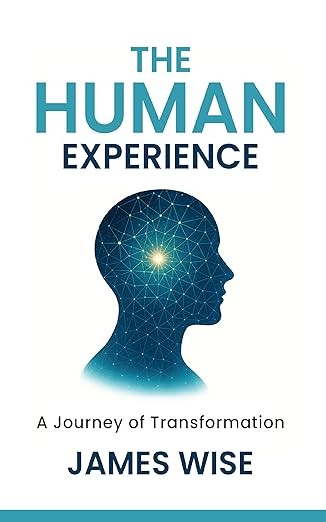
If you’re ready to explore deeper personal growth strategies and understand how to navigate stress more effectively, The Human Experience: A Journey of Transformation by James Wise directly connects with how personal growth changes the way you respond to stress by providing readers with the tools and insights needed to transform their relationship with stress. Get your copy today to start your journey of transformation and take control of how you experience stress.







No comment yet, add your voice below!