
Transform Pain into Power: A Healthier Way to Understand Growth

Pain is an inevitable part of life. Whether it’s physical, emotional, or psychological, we all encounter challenges and discomfort along the way. But what if we could see pain not as an obstacle, but as a powerful tool for growth? Instead of allowing pain to control us, what if we learned to use it to shape a stronger, healthier version of ourselves?
Understanding the Role of Pain in Growth
Pain is often perceived negatively. It’s something we want to avoid at all costs. Yet, pain can be an important catalyst for personal growth. It forces us to confront difficult situations, emotions, and even ourselves. It can be an indicator that something within needs to change. When approached with the right mindset, pain offers opportunities for transformation and learning.
Growth isn’t always about smooth, uninterrupted progress. In fact, it’s often the painful, uncomfortable moments that lead to the most significant breakthroughs. Whether it’s the discomfort of change or the sorrow of loss, these experiences push us out of our comfort zones and into a place where real growth can happen. The key is in how we respond to pain, do we allow it to break us, or do we transform it into a source of strength?
Shifting Your Perspective on Pain
The first step in transforming pain into power is to shift your perspective. Instead of seeing pain as something to be feared, see it as an opportunity. Acknowledge that pain is a natural part of the human experience, and it’s not something to be avoided but embraced. It’s in the darkest moments that we often find our deepest strength.
When you face pain, ask yourself, “What can I learn from this? How can I grow from this experience?” This mindset shift allows you to move from a place of victimhood to one of empowerment. Pain, in this context, becomes a teacher rather than an enemy.
For example, emotional pain often stems from experiences of rejection, disappointment, or loss. These events can make us question our worth and capabilities. However, if we choose to reflect on these experiences with compassion and curiosity, they can help us uncover patterns in our thinking or behaviors that no longer serve us. By recognizing these patterns, we can break free from them and move forward with a deeper sense of self-awareness and emotional resilience.
Developing Resilience Through Pain
Resilience is the ability to bounce back from adversity, and it is often cultivated through painful experiences. When faced with challenges, we have a choice: we can either succumb to them or rise above them. The process of overcoming pain builds resilience, which strengthens our emotional and mental fortitude.
One of the healthiest ways to respond to pain is to allow yourself time to grieve, heal, and reflect. Denying or suppressing pain only prolongs its impact. However, acknowledging it and giving yourself the space to process it allows you to move through it and ultimately emerge stronger. Resilience is not about avoiding pain; it’s about learning how to handle it with grace, patience, and perseverance.
Pain as a Stepping Stone to Personal Power
When you transform pain into power, you begin to reclaim your personal power. Pain teaches you valuable lessons about your limits, boundaries, and potential. It shows you what you’re made of and what you’re capable of enduring. The more you face pain head-on, the more you develop an inner strength that cannot be taken away.
Consider how some of the most inspiring people throughout history have used their pain as a driving force for change. Many have turned personal suffering into fuel for greater achievements. The pain they experienced didn’t define them; it propelled them to take action, create, and grow in ways that impacted the world around them.
Practical Ways to Transform Pain into Power
- Reframe Your Pain: Start seeing pain as an opportunity for growth. Reframe your challenges as lessons to be learned rather than setbacks.
- Practice Self-Compassion: Be kind to yourself. Understand that pain is a natural part of life, and it’s okay to feel hurt or vulnerable. Give yourself the permission to heal.
- Find Meaning in Pain: Ask yourself what you can learn from your pain. Every painful experience can teach you something valuable about yourself and life.
- Take Inspired Action: Use the energy from your pain to take action. Whether it’s making a positive change in your life or helping others who are going through similar struggles, let your pain fuel your purpose.
- Build Emotional Resilience: Strengthen your emotional resilience by regularly facing discomfort, whether through meditation, journaling, or seeking support from others.
The Empowerment of Healing
Ultimately, the ability to transform pain into power is a testament to the incredible strength of the human spirit. Growth comes not from avoiding pain but from learning to navigate and rise above it. By adopting a healthier understanding of pain, seeing it not as something to be feared but as a transformative force, you unlock your potential for personal power and resilience.
Remember, pain is temporary, but the strength, wisdom, and resilience it can cultivate within you are lasting. Embrace the process, and you’ll discover that your greatest growth often comes from your most challenging experiences.
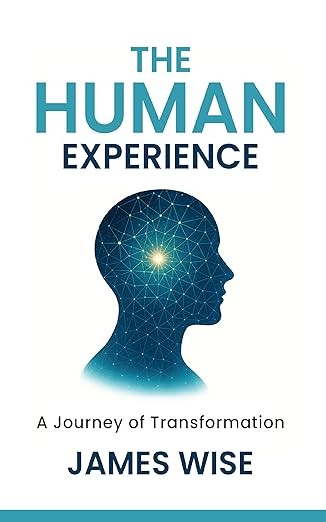
If you’re ready to explore how you can transform pain into power and create lasting change in your life, The Human Experience: A Journey of Transformation by James Wise connects to the concept of transforming pain into power by offering a roadmap for using life’s challenges as stepping stones for personal growth. Through its insightful reflections and practical guidance, the book encourages readers to embrace their pain and view it as a powerful tool for self-discovery and healing. By aligning the mind, body, and soul, the book shows how pain can be transformed into a source of inner strength and empowerment, ultimately leading to a life of greater purpose and fulfillment. Buy your copy today!