

How to Overcome Life's Challenges and Thrive

There are moments in life when everything feels uncertain. The plans you made change, the answers you hoped for do not come, and the challenges in front of you seem bigger than your ability to handle them. In these moments, it is easy to believe that hardship is holding you back.
But what if challenges are not here to break you? What if they are revealing parts of yourself you have not yet discovered?
Every person faces difficult seasons. The difference between those who remain stuck and those who grow is not the absence of struggle; it is the ability to transform struggle into strength. Overcoming life’s challenges requires courage, self-awareness, and the willingness to see adversity as a doorway to growth.
Accepting That Challenges Are Part of Personal Growth
Many people spend their lives trying to avoid discomfort. However, growth rarely happens when everything feels easy. Challenges often become the experiences that shape our character, deepen our understanding, and help us discover what truly matters.
Difficult moments can teach us patience, resilience, compassion, and inner strength. They can reveal unhealthy patterns, challenge old beliefs, and encourage us to create a new direction. Instead of seeing challenges as obstacles standing in your way, consider asking:
- What is this experience teaching me?
- How is this helping me grow?
- What strength can I develop from this moment?
A shift in perspective can completely change how you experience adversity.
Strengthening Your Mindset During Difficult Times
Your mindset influences how you respond to life’s challenges. When faced with hardship, it is natural to focus on what has been lost or what feels impossible. However, developing a stronger mindset allows you to focus on possibilities instead of limitations.
A resilient mindset does not mean ignoring problems or pretending everything is positive. It means believing that you have the ability to learn, adapt, and move forward. The way you speak to yourself matters. Replace thoughts of defeat with questions that encourage growth:
Instead of “Why can’t I get through this?” ask, “What steps can I take today?”
Instead of “This situation has ruined everything,” ask, “How can I rebuild from here?”
Small changes in thinking can create powerful changes in action.
Learning to Process Emotions Instead of Fighting Them
Difficult experiences often bring powerful emotions such as fear, sadness, anger, or uncertainty. These emotions are not signs of weakness. They are signals that something within you needs attention and understanding. True resilience comes from learning how to work with your emotions rather than suppressing them.
Practices such as journaling, meditation, prayer, reflection, and meaningful conversations can help you process what you are experiencing. When you understand your emotions, you gain greater control over your responses and make decisions from a place of clarity rather than fear.
Releasing the Beliefs That Hold You Back
Sometimes the greatest challenges are not external circumstances but the beliefs we carry about ourselves.
Past experiences can create stories such as:
- “I am not good enough.”
- “I always fail.”
- “Things will never change.”
These beliefs can quietly influence your choices and limit your potential. Personal growth begins when you recognize these patterns and choose to create a new story. Your past may have shaped you, but it does not have to define you.
Turning Adversity into Purpose
Many people discover their deepest purpose after experiencing difficult seasons. Challenges can create empathy, wisdom, and a stronger desire to make a meaningful impact. Your struggles can become part of your strength. The lessons you learn through hardship may eventually become the very experiences that allow you to inspire, support, and connect with others.
Transformation happens when you stop asking only, “How do I get through this?” and begin asking, “How can I grow through this?”
Taking Steps Toward a Stronger Future
Overcoming challenges is built through consistent choices. You do not need to transform your entire life overnight. Progress comes through small actions taken with intention.
Start by:
- Creating healthier daily habits
- Surrounding yourself with supportive people
- Practicing gratitude
- Setting meaningful goals
- Making time for reflection and personal growth
Each step forward strengthens your confidence and reminds you that you are capable of more than you realize.
Conclusion
Life will always bring challenges, but those challenges do not have to define your story. They can become the moments that awaken your strength, reshape your perspective, and guide you toward a more meaningful life.
The journey of growth is not about becoming someone else. It is about uncovering the strength, wisdom, and resilience that have existed within you all along.
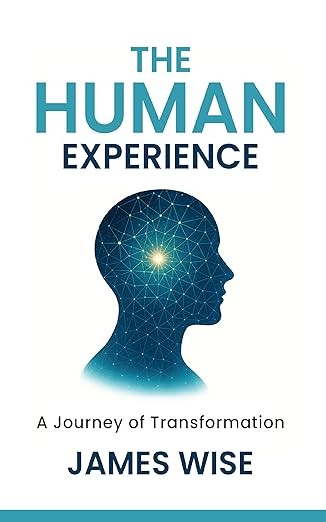
If you are looking for a deeper exploration of how life experiences, emotions, mindset, and spirituality connect to personal transformation, The Human Experience: A Journey of Transformation by James Wise offers a powerful invitation to look within.
Drawing from his own journey of hardship, awakening, and growth, James Wise explores how people can move beyond limiting beliefs, heal emotional wounds, and reconnect with their authentic selves. The book combines personal storytelling with reflection exercises and practical guidance to help readers better understand the spiritual, physical, cognitive, and emotional aspects of being human.
Whether you are navigating a difficult season, searching for greater purpose, or simply ready to understand yourself on a deeper level, this book provides a pathway for reflection, healing, and meaningful change.
Discover The Human Experience: A Journey of Transformation by James Wise today and explore how your challenges can become the foundation for your greatest growth.

