
Self-Healing After Chronic Stress: How the Body Learns to Stand Down

Chronic stress is a silent yet persistent force that can wreak havoc on both the body and mind. From anxiety and insomnia to digestive issues and weakened immune function, the toll it takes on our health is undeniable. However, the good news is that our bodies are incredibly resilient. With the right tools and understanding, self-healing is not only possible but also essential for recovery. In this blog, we will explore how the body learns to stand down after chronic stress and how you can support its healing process.
Understanding Chronic Stress and Its Impact
Stress is a natural response to external pressures, but when it becomes chronic, the body enters a continuous state of “fight or flight.” This sustained activation of the sympathetic nervous system (SNS) can lead to a range of physical and mental health problems. The body becomes hyper-alert, and the hormones like cortisol and adrenaline, which are typically released in short bursts during moments of danger, start to flood the system persistently.
Prolonged exposure to high levels of stress hormones can lead to exhaustion, increased inflammation, and even changes in brain function. This is why individuals who experience chronic stress may find themselves fatigued, anxious, or prone to illness. Over time, the body becomes locked in a state of tension, unable to fully recover or reset.
The Power of the Parasympathetic Nervous System
The key to self-healing after chronic stress lies in reactivating the parasympathetic nervous system (PNS), which is responsible for the “rest and digest” functions. While the SNS keeps the body alert and ready for action, the PNS helps to slow down the heart rate, relax the muscles, and lower blood pressure, allowing the body to heal.
Activating the PNS is a vital part of the healing process. It signals to the body that it is safe, allowing the stress response to diminish and the body to begin its recovery. This can be achieved through several techniques, such as deep breathing, mindfulness, yoga, and meditation, all of which help switch the body from a stress state to a healing state.
The Role of Breathwork in Self-Healing
Breathwork is one of the most effective ways to activate the PNS and promote relaxation. Deep breathing exercises, such as diaphragmatic breathing or the 4-7-8 technique, help slow the heart rate, reduce blood pressure, and calm the mind. By focusing on the breath and allowing it to flow naturally, you are essentially telling your body that it is time to rest and recuperate.
Practicing deep breathing for just a few minutes each day can significantly reduce stress and anxiety, allowing the body to gradually recover from the long-term effects of chronic stress.
Practicing deep breathing for just a few minutes each day can significantly reduce stress and anxiety, allowing the body to gradually recover from the long-term effects of chronic stress. When practiced regularly, these techniques can help reset the nervous system and prevent the body from falling back into a state of chronic stress.
Physical Movement: A Key to Releasing Tension
Chronic stress often manifests physically in the form of tight muscles, tension headaches, and general discomfort. One of the most powerful ways to release this tension is through physical movement. Regular exercise, especially gentle forms such as yoga, walking, or stretching, can help release the pent-up stress stored in the muscles.
Yoga, in particular, is a wonderful tool for self-healing as it combines breathwork, stretching, and mindfulness. It not only helps to release physical tension but also encourages mental clarity, allowing the body to return to a state of balance. Consistent movement, especially in the form of relaxation-based practices, can help retrain the body to stand down from chronic stress.
Sleep and Restorative Practices
Sleep is one of the body’s most powerful healing tools. When the body is under stress, it often experiences disturbances in sleep patterns, which only perpetuate the cycle of stress. Chronic stress can lead to insomnia, restless nights, and poor sleep quality, making it even harder for the body to heal.
To support the healing process, it is important to prioritize restful, quality sleep. Establishing a bedtime routine, reducing screen time before bed, and creating a calming environment are all essential steps in promoting restorative sleep. Ensuring the body has adequate sleep each night allows the nervous system to reset, reducing the lingering effects of chronic stress.
Conclusion: A Journey Toward Healing
Healing from chronic stress is a gradual process, but with the right practices, it is entirely possible. By learning to activate the parasympathetic nervous system, practicing mindfulness and breathwork, engaging in physical movement, and prioritizing rest, you can help your body recover from the long-term effects of stress.
Remember, self-healing is not about pushing yourself to get better faster; it’s about allowing your body to reset and return to its natural state of balance. Over time, the body learns to stand down, and the resilience that comes from this healing journey can create lasting changes for your overall well-being.
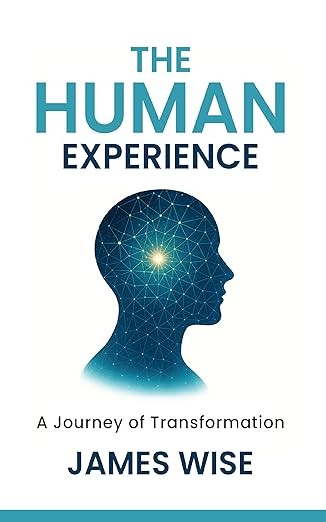
If you’re ready to explore deeper self-healing practices and learn how to live a life of peace, joy, and abundance, check out The Human Experience: A Journey of Transformation by James Wise.