
Why Inner Peace Is Important When Success, Money, and Distraction Aren’t Enough

Why Inner Peace Is Important When Success, Money, and Distraction Aren’t Enough

In today’s fast-paced world, we are often conditioned to chase success, wealth, and endless achievement. From the moment we wake up, we are bombarded with messages that tell us we need to be more, do more, and acquire more in order to find happiness.

We work tirelessly toward the next promotion, the next paycheck, the next acquisition, believing that these external markers will bring us fulfillment. However, when we pause and take a closer look at the lives of many high-achievers, a troubling trend emerges: despite their success, they often feel empty, stressed, and disconnected. This reveals a crucial truth: success, money, and distractions aren’t enough to lead to true contentment. What’s missing is inner peace.

The Illusion of External Success

The pursuit of external achievements like wealth, status, and recognition often feels exhilarating. These accomplishments can provide a sense of validation and satisfaction. However, they tend to be temporary. As soon as we reach one milestone, we find ourselves moving toward the next. This constant striving can create an endless cycle of “more” without ever feeling truly fulfilled. External success may bring comfort, but it doesn’t provide the peace of mind or inner satisfaction that many of us desperately crave.

In fact, the more we focus on external achievements, the more we might neglect our inner world, which is where true happiness resides. Success and money can’t heal the mind or soothe the soul. Without inner peace, we may experience burnout, anxiety, and dissatisfaction, no matter how much we achieve.

The Power of Inner Peace

Inner peace is not a luxury; it is a necessity for mental and emotional well-being. It’s the state of calmness, balance, and emotional resilience that allows you to face life’s challenges with clarity and grace. When you have inner peace, you are less affected by external circumstances. You learn to manage stress, handle setbacks, and remain centered in the midst of chaos. Inner peace provides a deep sense of contentment that doesn’t rely on external factors, making it the foundation for lasting happiness.

The Role of Inner Peace in Mental and Physical Health

When we are constantly chasing external success, it’s easy to neglect our mental and physical health. Stress, anxiety, and exhaustion often accompany this relentless pursuit, taking a toll on both the mind and body. High levels of stress have been linked to a variety of health issues, including heart disease, digestive problems, and weakened immune function. Without inner peace, the pressure to succeed can lead to burnout, depression, and a host of other mental health challenges.

On the other hand, cultivating inner peace helps manage stress and anxiety, leading to improved health and well-being. Mindfulness practices such as meditation, deep breathing, and self-reflection can help calm the mind, reduce stress levels, and restore balance. By fostering inner peace, you can enhance your overall health and maintain a sense of well-being, regardless of the external circumstances.

The Connection Between Inner Peace and True Success

True success isn’t just about accumulating wealth or reaching career milestones; it’s about living a life that aligns with your values and brings you joy. Inner peace allows you to connect with your authentic self and create a life that reflects who you truly are. It enables you to make decisions based on purpose, not pressure, and to build relationships rooted in genuine connection rather than status.

When you have inner peace, you are free from the fear of failure or the need for validation. You can enjoy success without it defining your worth, and you can appreciate the present moment without constantly striving for more. This mindset not only brings more joy but also allows you to contribute to the world in a way that is authentic and fulfilling.
Why We Must Prioritize Inner Peace

Inner peace is essential for finding true fulfillment in life. While success, money, and distractions can offer temporary pleasure, they cannot provide lasting happiness or inner contentment. Only by focusing on cultivating peace within ourselves can we experience a life that is truly satisfying. Inner peace allows us to navigate the ups and downs of life with a sense of calm and purpose, making it possible to achieve success without sacrificing our well-being.

The journey to inner peace begins with self-awareness and a commitment to caring for your mental, emotional, and spiritual health. Whether through meditation, journaling, or simply spending time in nature, finding moments of stillness helps to nurture this peace. As you grow more connected to your inner self, you’ll realize that peace is the greatest form of success you can achieve.

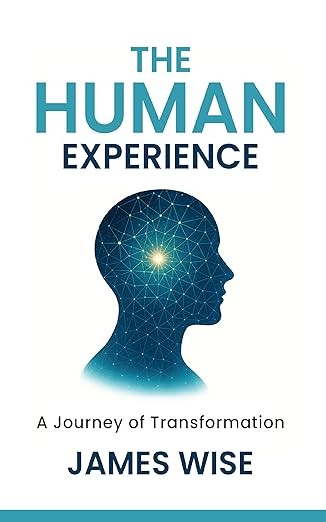
If you’re seeking a deeper understanding of how to nurture inner peace and live a more fulfilling life, The Human Experience: A Journey of Transformation by James Wise underscores the profound importance of inner peace, emphasizing that external accomplishments, such as success, money, and distractions, are often fleeting and insufficient for true fulfillment. The book offers readers a path to reconnect with their inner selves, teaching that peace within is the foundation for lasting happiness.

Wise’s insights help readers recognize that without cultivating inner peace, they may continue chasing external markers of success, only to feel unfulfilled. By addressing the root of inner unrest and providing practical spiritual tools, the book shows how true contentment arises from within, offering a sense of lasting joy that material possessions cannot supply.

Purchase your copy today.

How to Manifest Intentionally and Stop Creating the Same Life on Repeat

How to Manifest Intentionally and Stop Creating the Same Life on Repeat

Manifestation is often seen as a magical process where we simply ask for what we want and wait for the universe to deliver. While this view has become quite popular, the truth about manifestation is deeper and more intentional than simply wishing for something to appear. Manifesting intentionally means aligning your thoughts, feelings, and actions with your desires, allowing you to create the life you truly want, not one that repeats itself due to old patterns, fears, or limiting beliefs.

If you’re tired of feeling stuck and want to break free from the cycle of repeating the same patterns, it’s time to learn how to manifest intentionally. Here’s how to stop creating the same life over and over and start attracting the life you truly desire.

1. Understand the Power of Intentional Manifestation

Manifestation isn’t just about asking for things; it’s about aligning your energy, mindset, and actions with what you want to create in your life. Often, people find themselves stuck in repetitive cycles because they haven’t fully aligned their beliefs, emotions, and actions with their desires. Manifesting intentionally means you have a clear understanding of what you want, why you want it, and how to bring it into your life.

When your intentions are unclear or inconsistent, your manifestations are equally vague and disjointed. To create something new, you must have a focused vision and be in alignment with it. Understand that you are co-creating with the universe, and your mindset plays a major role in the process.

2. Identify and Release Limiting Beliefs

One of the main reasons people find themselves creating the same life over and over again is that they are unconsciously holding onto limiting beliefs. These beliefs often stem from childhood experiences, societal conditioning, or past failures, and they can severely limit your ability to manifest your desires.

To manifest intentionally, you must identify and release these limiting beliefs. Start by asking yourself: “What beliefs do I hold that might be preventing me from creating the life I want?” Common limiting beliefs might include thoughts like “I’m not good enough,” “Success is for other people,” or “I don’t deserve happiness.” Once you identify them, you can work on shifting your mindset to a more empowering perspective. This could include affirmations, therapy, journaling, or other techniques that help reframe your beliefs into ones that support your goals.

3. Visualize Your Desired Outcome

Visualization is a powerful manifestation tool. To create a new reality, you must be able to vividly see and feel what you want to manifest. The clearer you can envision your desired life, the more effectively you can align with it.

When you visualize, engage all your senses. Picture the sights, sounds, smells, and feelings of the life you want to create. See yourself living the life of your dreams as if it’s already happening. Feel the emotions you would experience in that reality, joy, gratitude, excitement. Visualization strengthens the connection between your subconscious mind and your goals, making it easier to manifest them into reality.

4. Align Your Actions with Your Intentions

Manifesting intentionally requires more than just thinking about what you want; it requires taking aligned action. You can’t expect the universe to deliver if you’re not taking steps toward your goals. If you want a new job, you need to apply, network, or gain new skills. If you want better health, you need to make conscious choices that support your well-being. Manifestation works when your thoughts and actions are in harmony.

Start by setting small, intentional steps toward your goals every day. These actions should feel exciting and inspiring, not forced or overwhelming. Even if the steps feel small, they are aligned with your greater vision and send a message to the universe that you are serious about manifesting your desires.

5. Practice Gratitude and Trust the Process

Gratitude is a powerful tool for manifestation because it shifts your energy from lack to abundance. When you are grateful for what you already have, you send out the signal that you are open to receiving more. The more gratitude you practice, the more you attract.

In addition to gratitude, trust is essential for manifestation. Once you’ve set your intentions, visualized your desires, and taken aligned action, you must trust that the universe is working on your behalf. Let go of the need to control every outcome and have faith that everything is unfolding as it should. Sometimes, what we think we want may not be exactly what we need, and the universe often has a better plan in store for us.

6. Stay Consistent and Be Patient

Manifestation isn’t an overnight process. While the idea of instant results can be tempting, it’s important to understand that true manifestation requires patience and consistency. Keep your thoughts, feelings, and actions in alignment with your desires, even when things don’t seem to be moving quickly.

Conclusion

Manifesting intentionally is about aligning your thoughts, beliefs, emotions, and actions to create the life you truly desire. It requires clear intention, releasing limiting beliefs, taking inspired action, and trusting the process. By integrating these steps, you can break free from repetitive cycles and start manifesting the life you deserve.

If you’re looking for a deeper guide to manifesting intentionally and transforming your life, The Human Experience: A Journey of Transformation by James Wise guides readers through the process of manifesting with intention, emphasizing the importance of aligning the mind, body, and soul to create the life they desire.

The book teaches that manifestation isn’t just about external goals but about deeply understanding what truly resonates with your authentic self. Wise encourages readers to break free from old, limiting patterns by reprogramming their mindset and releasing past conditioning. By developing a clearer vision and taking purposeful action, the book shows how to manifest intentionally, creating a life filled with purpose and meaning instead of repeating old, unfulfilling cycles. Get your copy today!

How to Heal Childhood Trauma Spiritually Without Ignoring the Body or Mind

How to Heal Childhood Trauma Spiritually Without Ignoring the Body or Mind

Childhood trauma, whether emotional, physical, or psychological, can leave lasting scars that affect every aspect of our lives. The impact of these wounds often extends well into adulthood, manifesting in anxiety, depression, difficulty with relationships, and a general sense of disconnection from ourselves and others. Traditional therapeutic methods focus on the mind, while spiritual practices emphasize inner peace and emotional healing. But what if the key to healing childhood trauma lies in integrating the body, mind, and spirit?

Healing childhood trauma is a deeply personal and multifaceted process that requires a holistic approach, one that doesn’t ignore the body or mind but also incorporates spiritual practices that promote true healing. Below, we’ll explore how to begin healing trauma spiritually while also honoring the needs of the body and mind.

Understanding the Holistic Approach to Healing Trauma

Healing childhood trauma requires addressing the mind, body, and soul. Each of these aspects plays a unique role in how trauma is experienced and processed. While the mind holds the memories and emotional patterns formed in childhood, the body stores physical responses to stress, fear, and pain. The soul, however, holds our deeper sense of self, our spirit, and our connection to a higher purpose. Spiritual practices provide a path to reconnecting with the soul, allowing us to find peace and understanding in the wake of trauma.

To heal childhood trauma fully, we must engage in a healing process that nurtures all three components of our being, mind, body, and soul.

Healing the Mind: Cognitive and Emotional Healing

The mind is often the first place we begin when we think about healing trauma. Cognitive Behavioral Therapy (CBT), talk therapy, and other therapeutic modalities are incredibly effective tools for addressing the mental and emotional impacts of childhood trauma. These therapies help individuals process past events, challenge negative thought patterns, and reframe the beliefs that trauma may have instilled.

However, it’s important to approach healing with compassion for yourself. Childhood trauma often leaves us feeling unworthy, broken, or misunderstood. Acknowledge the emotions that come up during therapy and allow yourself to feel without judgment. Journaling and self-reflection can also be valuable tools for gaining clarity and processing emotions.

At the same time, mental healing can be supported through mindfulness practices such as meditation, which allows you to cultivate a deeper sense of self-awareness and emotional regulation. By observing your thoughts without judgment, you begin to understand the connection between your thoughts, feelings, and the trauma you carry.

Healing the Body: Releasing Trauma Stored in the Physical Form

While the mind is responsible for processing and interpreting trauma, the body often holds onto the trauma in a more visceral way. This is why simply talking about the trauma is often not enough. Childhood trauma can manifest physically in the form of chronic pain, tension, fatigue, or digestive issues. The body’s response to trauma is not just a psychological event, it’s deeply physical, too.

To heal trauma in the body, it’s essential to release the tension and energy stored in physical form. Practices such as yoga, Tai Chi, or somatic experiencing help to release stored trauma by focusing on the body’s sensations and movements. These practices encourage awareness of how trauma impacts the body, helping to release pent-up emotions through physical release.

Breathing exercises are also an excellent tool for calming the nervous system. Deep, conscious breathing helps to activate the parasympathetic nervous system, which triggers the body’s natural relaxation response. When we breathe deeply and mindfully, we can begin to calm the body and restore a sense of safety and balance.

Healing the Soul: Spiritual Practices for Deep Healing

Spiritual healing involves reconnecting with the essence of who you are beyond the wounds of the past. It provides an opportunity to release feelings of shame, guilt, and unworthiness that trauma often instills. Spiritual practices can help you reconnect with your true self, fostering a sense of peace and purpose.

Meditation, prayer, and other spiritual practices such as energy healing or Reiki can facilitate spiritual healing by helping you create a sense of stillness and connection to something greater than yourself. Spirituality encourages self-compassion and acceptance, allowing you to forgive yourself for past wounds and release the negative energy that may be holding you back.

Additionally, exploring practices such as mindfulness or gratitude journaling can help you reconnect with the present moment and cultivate a sense of trust in the process of healing. Understanding that you are more than your trauma and that your soul is resilient helps to heal the emotional and spiritual wounds that linger from childhood.

The Importance of Integration: Healing Mind, Body, and Soul

Healing childhood trauma is not about focusing on just one aspect of yourself; it’s about integrating the healing of your mind, body, and soul. By honoring each part of your being, you can begin to break free from the cycles of trauma that have held you back. The mind provides clarity, the body offers release, and the soul gives you a deeper sense of connection and purpose.

If you’re looking for a guide to help you on your healing journey, The Human Experience: A Journey of Transformation by James Wise emphasizes the importance of spiritual healing as a means of reconnecting with one’s true essence and finding inner peace. Wise guides readers through spiritual practices that help them release past emotional wounds, offering tools such as meditation and self-compassion to foster deeper emotional healing. These practices serve as a foundation for transforming trauma and reclaiming personal power, while also inviting individuals to reconnect with their soul’s purpose and wisdom.

Additionally, the book recognizes that healing childhood trauma is not just about spiritual work but also involves addressing the physical and mental aspects of recovery. Wise encourages readers to acknowledge how trauma manifests in the body, leading to tension and stress, and offers practical exercises like mindfulness and breathwork to release these stored emotions. Buy your copy now!

How Spiritual Self-Improvement Supports Emotional and Mental Health

How Spiritual Self-Improvement Supports Emotional and Mental Health

In today’s fast-paced world, emotional and mental health are more important than ever. Many of us face stress, anxiety, and depression, making it challenging to find peace and balance. While therapy and medication are common approaches to mental well-being, spiritual self-improvement is an often overlooked but powerful tool for supporting emotional and mental health. Spirituality, in its many forms, helps individuals connect to a deeper sense of purpose and understanding, fostering resilience, peace, and clarity.

Let’s explore how spiritual self-improvement can significantly enhance emotional and mental well-being.

1. Providing a Sense of Purpose and Meaning

One of the core benefits of spiritual self-improvement is that it helps individuals cultivate a sense of purpose and meaning in their lives. This deeper connection to something larger than oneself can be incredibly grounding, especially in times of stress or uncertainty. People who have a clear sense of purpose tend to feel more motivated, focused, and content, which directly supports mental health. Spirituality often encourages individuals to reflect on their values, goals, and the bigger picture of life, which can help shift perspective from negative thought patterns to a more optimistic outlook.

When people feel connected to a higher purpose, whether through religion, meditation, nature, or personal growth, it creates a sense of direction and control, reducing feelings of confusion, hopelessness, or aimlessness. This grounding sense of purpose is a powerful antidote to anxiety and depression, as it provides clarity in the face of life’s challenges.

2. Fostering Mindfulness and Presence

Many spiritual practices, such as meditation, prayer, and mindfulness, focus on living in the present moment. These practices encourage individuals to quiet the mind, focus on their breath, and center their attention on the here and now. This mindfulness not only helps manage stress but also plays a vital role in emotional regulation. When we are present, we are less likely to ruminate on past mistakes or worry excessively about the future. Instead, we can face our emotions with awareness and acceptance.

Research has shown that mindfulness practices can reduce symptoms of anxiety and depression, improve mood, and enhance overall well-being. Spiritual self-improvement helps individuals develop these skills, making it easier to navigate emotional highs and lows with greater ease. When we engage in mindfulness, we create a mental space where we can observe our thoughts without judgment, leading to greater emotional balance and mental clarity.

3. Cultivating Self-Compassion and Acceptance

A significant aspect of spiritual self-improvement is learning to treat ourselves with kindness and compassion. Many people struggle with negative self-talk, perfectionism, or feelings of unworthiness, which can be detrimental to mental health. Spirituality often teaches that we are worthy of love, care, and forgiveness, regardless of our flaws or past mistakes. This shift toward self-compassion is an essential component of emotional healing.

Practicing self-compassion allows individuals to stop being overly critical of themselves during difficult moments and instead approach their challenges with understanding and patience. By embracing self-acceptance, people can foster healthier relationships with themselves, reducing anxiety, stress, and self-doubt. Spiritual practices help individuals connect with their inherent worth, which bolsters emotional resilience and mental health.

4. Building Resilience Through Faith and Trust

Spiritual self-improvement fosters emotional resilience by teaching individuals to have faith and trust in life, even in difficult times. Many spiritual teachings emphasize the importance of surrendering control and trusting the process of life. This can be especially healing for those struggling with anxiety, as the constant need for control can be a significant source of stress.

By cultivating faith, whether through trust in a higher power, the universe, or the process of life itself, individuals can let go of the need to control every outcome. This perspective allows them to face challenges with a calm mind and a strong heart, knowing that they can overcome obstacles with patience and trust in the unfolding journey. Resilience, supported by spirituality, provides the mental strength to weather life’s storms with grace and perseverance.

5. Encouraging Connection with Others

Spirituality often promotes a sense of community and connection with others. Whether through attending a religious service, joining a meditation group, or participating in a spiritual retreat, these connections can provide emotional support, camaraderie, and a sense of belonging. Social support is crucial for mental health, as it reduces feelings of isolation and helps individuals feel understood and supported.

Moreover, many spiritual traditions encourage service to others, which can lead to a sense of fulfillment and satisfaction. Helping others, whether through acts of kindness, volunteering, or simply offering emotional support, not only strengthens community bonds but also boosts our own mental health by creating feelings of purpose and interconnectedness.

6. Promoting Inner Peace and Emotional Balance

Ultimately, spiritual self-improvement is a path toward inner peace. It encourages individuals to create emotional and mental balance by letting go of destructive thought patterns, reducing stress, and developing healthier emotional responses. Spiritual practices help people cultivate patience, forgiveness, and gratitude, all of which contribute to emotional healing.

When we are at peace with ourselves and our lives, we are better able to handle life’s ups and downs. Spirituality provides tools to manage emotional turbulence with a calm mind, allowing individuals to navigate challenges without becoming overwhelmed. This inner peace is a cornerstone of good mental health, providing a solid foundation for emotional well-being.

Conclusion

Spiritual self-improvement is a powerful ally in supporting emotional and mental health. Through practices that foster mindfulness, self-compassion, resilience, and connection, individuals can create a strong, balanced foundation for dealing with life’s challenges. By cultivating a sense of purpose and inner peace, spiritual growth helps individuals transform their emotional landscape and build healthier, more fulfilling lives.

If you’re seeking to deepen your spiritual journey and explore practical ways to nurture your emotional well-being, The Human Experience: A Journey of Transformation by James Wise encourages the integration of spiritual practices like mindfulness, meditation, and self-compassion to foster emotional resilience and mental clarity. Wise’s teachings guide readers in shifting their mindset toward acceptance and self-awareness, helping them navigate life’s challenges with a calm, centered approach. Get your copy today.

How Self-Esteem Is Shaped by Early Attachment and Survival Patterns

How Self-Esteem Is Shaped by Early Attachment and Survival Patterns

Self-esteem is the foundation of how we perceive ourselves and our worth in the world. It’s a vital aspect of mental and emotional health, influencing our relationships, achievements, and overall well-being. However, self-esteem doesn’t develop in a vacuum; it is shaped largely by early experiences, particularly our attachments to caregivers and the survival patterns we form in response to these experiences.

Understanding how early attachment and survival mechanisms shape self-esteem can provide insights into personal struggles and offer pathways to healing and growth.

The Role of Early Attachment in Self-Esteem

The first stage of personal transformation often begins with a moment of awakening, a realization that something in your life is no longer serving you. It could be a feeling of dissatisfaction, an event that shakes you, or simply an inner knowing that you need something more. This stage can be triggered by external events like a job loss, the end of a relationship, or a health scare. Alternatively, it can be a quiet, internal shift where you start questioning your current reality and desiring something better.

What to Expect:

  • A sense of discomfort or unease with where you are in life.
  • A desire to make changes, but uncertainty about how to proceed.
  • Increased self-awareness and curiosity about what’s possible beyond your current situation.
  • Emotional ups and downs as you wrestle with the idea of change.

2. The Decision: Committing to Change

Once the awakening happens, the next stage involves making a decision to pursue change. This is a crucial moment where you choose to commit to your transformation, despite the uncertainty and fear that may come with it. The decision to transform marks a shift from passive desire to active intention. You start to take responsibility for your own growth and well-being.

What to Expect:

  • A clear, conscious choice to change, often accompanied by excitement and fear.
  • The willingness to let go of old habits, mindsets, and beliefs that no longer serve you.
  • A surge of energy as you begin to take the first steps toward transformation.
  • Feelings of fear, doubt, and resistance as the ego may resist the change.

3. The Struggle: Facing Challenges and Resistance

Transformation is rarely a smooth, linear process. The third stage is often the most challenging, where the initial excitement fades, and the true work begins. You will encounter obstacles, self-doubt, and perhaps even setbacks. The struggle can be both internal and external, as old patterns of behavior resurface and external circumstances may not align with your new intentions.

What to Expect:

  • Resistance from your own mind and emotions as old fears and habits resurface.
  • Frustration, confusion, and moments of wanting to give up.
  • Self-reflection and questioning whether you made the right decision to transform.
  • A need for patience and perseverance as you push through difficult moments.

4. The Shift: Breaking Through Old Patterns

As you continue to work through the struggle, the next stage of personal transformation is the shift. This is when you begin to see tangible results from your efforts. Old patterns that once controlled you start to lose their grip, and you experience a sense of freedom and empowerment. Your mindset begins to change, and you start embodying the new version of yourself that you’ve been working toward.

What to Expect:

  • A sense of relief as old fears and negative patterns start to fade.
  • Increased confidence in your ability to handle challenges.
  • New behaviors, thoughts, and attitudes that align with your transformed self.
  • A deep sense of inner peace as you release what no longer serves you.

5. The Integration: Living Your New Truth

The final stage of personal transformation is integration. This is where you fully embody the changes you’ve made and incorporate them into your daily life. At this stage, the transformation feels less like a conscious effort and more like a natural expression of who you’ve become. You’ve learned to live in alignment with your true self, and your transformation becomes a part of your identity.

What to Expect:

  • A sense of wholeness and alignment in your life.
  • The ability to handle challenges with greater ease and resilience.
  • A more authentic and fulfilling way of living, grounded in your newfound truth.
  • A deep sense of gratitude for the journey and the growth it has brought.

Conclusion

Personal transformation is not a one-time event; it’s a continuous journey. Once you’ve gone through these stages, you may find yourself cycling through them again as you grow, face new challenges, and continue evolving. Embrace each stage of the process with compassion for yourself, knowing that every step brings you closer to living a life that reflects your truest potential.

If you’re looking for more guidance on personal transformation and the tools that can help you along the way, The Human Experience: A Journey of Transformation by James Wise provides practical wisdom and spiritual insights to support you through this process. Get your copy to embark on your transformation today and step into the life you’ve always desired.

How Personal Growth Changes the Way You Respond to Stress

How Personal Growth Changes the Way You Respond to Stress

Stress is an inevitable part of life, affecting everyone at different times and for various reasons. Whether it’s due to work, relationships, financial struggles, or health concerns, stress can feel overwhelming and often triggers a “fight or flight” response. However, as we grow personally, emotionally, and mentally, our ability to handle stress shifts dramatically. Personal growth not only changes the way we perceive stress, but also transforms our reactions, helping us handle challenges with greater resilience, clarity, and balance. Here’s how personal growth changes the way you respond to stress.

1. Increased Self-Awareness

Personal growth begins with self-awareness, the ability to understand your emotions, thoughts, and behaviors. As you develop greater awareness of your stress triggers, patterns, and reactions, you start to realize how much control you have over your responses. Rather than reacting impulsively or letting stress control your life, you become more mindful of the way you think and feel.

What to Expect:

  • You begin to recognize when stress is taking hold of you.
  • Increased mindfulness allows you to choose how to react, rather than being driven by automatic emotional responses.
  • You can catch yourself before spiraling into panic or frustration, giving you more control over your actions.
  •  

2. Changing Your Mindset

One of the most transformative aspects of personal growth is the shift in mindset. As you evolve, you learn to see challenges, including stress, as opportunities for growth rather than threats to your well-being. With a positive and growth-oriented mindset, stress becomes less about survival and more about learning how to adapt and thrive under pressure.

What to Expect:

  • You view stress not as something to avoid, but as a tool for growth.
  • You embrace challenges with the understanding that they can build resilience and lead to personal development.
  • The ability to reframe stressful situations, turning obstacles into opportunities, becomes second nature.

3. Improved Emotional Regulation

Personal growth leads to better emotional regulation. As you learn more about your emotions and develop coping mechanisms, you become more adept at managing your feelings. Rather than allowing stress to trigger negative emotional outbursts, you can regulate your emotional responses, staying calm and composed in the face of adversity.

What to Expect:

  • You feel more in control of your emotions, reducing the likelihood of reacting impulsively or angrily under stress.
  • Techniques like deep breathing, meditation, or journaling become helpful tools to manage emotional turbulence.
  • You become less overwhelmed by emotions, experiencing more peace and clarity even during stressful times.

4. Better Problem-Solving Skills

As you grow, you also develop enhanced problem-solving abilities. Instead of focusing solely on the negative aspects of a stressful situation, you learn to analyze it more logically and come up with effective solutions. Stressful situations no longer leave you stuck or helpless; instead, you approach them with the mindset of finding solutions and taking actionable steps to resolve the issue.

What to Expect:

  • When stress arises, you’re able to step back, assess the situation, and develop a plan of action rather than feeling paralyzed or anxious.
  • You rely more on logic and less on emotional responses, which leads to better decision-making.
  • You’re less likely to feel overwhelmed by problems because you focus on finding practical solutions.

5. Building Resilience

Personal growth fosters resilience, the ability to bounce back from adversity. As you navigate the ups and downs of life, you gradually become stronger and more capable of handling stress. You begin to trust in your own ability to cope with difficult situations, knowing that you can handle whatever comes your way.

What to Expect:

  • You become more adaptable, able to weather stressful events without losing your sense of stability.
  • You develop a deeper sense of confidence, knowing that you can handle challenges and come out stronger on the other side.
  • Stressful situations no longer feel as daunting because you trust in your resilience and ability to manage them.

6. Healthier Coping Mechanisms

Personal growth often involves developing healthier coping mechanisms for dealing with stress. Over time, you become more conscious of the strategies you use to manage stress. Instead of turning to unhealthy habits like overeating, substance abuse, or withdrawing from others, you begin to adopt more positive practices such as exercise, meditation, or seeking support from loved ones.

What to Expect:

  • You replace stress-induced behaviors like procrastination, avoidance, or numbing with healthy coping strategies.
  • Physical exercise, creative hobbies, and spending time in nature become your go-to methods for reducing stress.
  • You recognize the importance of self-care, using stress as a cue to slow down and care for your body and mind.

Conclusion

Personal growth reshapes your entire approach to stress. As you develop greater self-awareness, a positive mindset, emotional regulation, problem-solving skills, resilience, and healthier coping mechanisms, your ability to manage stress improves significantly. Stress, rather than being an overwhelming force, becomes an integral part of life that you can handle with grace and confidence.

If you’re ready to explore deeper personal growth strategies and understand how to navigate stress more effectively, The Human Experience: A Journey of Transformation by James Wise directly connects with how personal growth changes the way you respond to stress by providing readers with the tools and insights needed to transform their relationship with stress. Get your copy today to start your journey of transformation and take control of how you experience stress.

The Stages of Personal Transformation and What to Expect at Each One

The Stages of Personal Transformation and What to Expect at Each One

Personal transformation is a powerful and profound journey that many of us go through at some point in our lives. Whether it’s an internal shift, a change in mindset, or a complete lifestyle overhaul, transformation is about growing into the best version of yourself. While each transformation is unique, there are common stages that most people experience.

Understanding these stages can help you navigate your own journey and embrace the changes that come with it. Let’s explore the stages of personal transformation and what to expect at each one.

1. The Awakening: A Desire for Change

The first stage of personal transformation often begins with a moment of awakening, a realization that something in your life is no longer serving you. It could be a feeling of dissatisfaction, an event that shakes you, or simply an inner knowing that you need something more. This stage can be triggered by external events like a job loss, the end of a relationship, or a health scare. Alternatively, it can be a quiet, internal shift where you start questioning your current reality and desiring something better.

What to Expect:

  • A sense of discomfort or unease with where you are in life.
  • A desire to make changes, but uncertainty about how to proceed.
  • Increased self-awareness and curiosity about what’s possible beyond your current situation.
  • Emotional ups and downs as you wrestle with the idea of change.

2. The Decision: Committing to Change

Once the awakening happens, the next stage involves making a decision to pursue change. This is a crucial moment where you choose to commit to your transformation, despite the uncertainty and fear that may come with it. The decision to transform marks a shift from passive desire to active intention. You start to take responsibility for your own growth and well-being.

What to Expect:

  • A clear, conscious choice to change, often accompanied by excitement and fear.
  • The willingness to let go of old habits, mindsets, and beliefs that no longer serve you.
  • A surge of energy as you begin to take the first steps toward transformation.
  • Feelings of fear, doubt, and resistance as the ego may resist the change.

3. The Struggle: Facing Challenges and Resistance

Transformation is rarely a smooth, linear process. The third stage is often the most challenging, where the initial excitement fades, and the true work begins. You will encounter obstacles, self-doubt, and perhaps even setbacks. The struggle can be both internal and external, as old patterns of behavior resurface and external circumstances may not align with your new intentions.

What to Expect:

  • Resistance from your own mind and emotions as old fears and habits resurface.
  • Frustration, confusion, and moments of wanting to give up.
  • Self-reflection and questioning whether you made the right decision to transform.
  • A need for patience and perseverance as you push through difficult moments.

4. The Shift: Breaking Through Old Patterns

As you continue to work through the struggle, the next stage of personal transformation is the shift. This is when you begin to see tangible results from your efforts. Old patterns that once controlled you start to lose their grip, and you experience a sense of freedom and empowerment. Your mindset begins to change, and you start embodying the new version of yourself that you’ve been working toward.

What to Expect:

  • A sense of relief as old fears and negative patterns start to fade.
  • Increased confidence in your ability to handle challenges.
  • New behaviors, thoughts, and attitudes that align with your transformed self.
  • A deep sense of inner peace as you release what no longer serves you.

5. The Integration: Living Your New Truth

The final stage of personal transformation is integration. This is where you fully embody the changes you’ve made and incorporate them into your daily life. At this stage, the transformation feels less like a conscious effort and more like a natural expression of who you’ve become. You’ve learned to live in alignment with your true self, and your transformation becomes a part of your identity.

What to Expect:

  • A sense of wholeness and alignment in your life.
  • The ability to handle challenges with greater ease and resilience.
  • A more authentic and fulfilling way of living, grounded in your newfound truth.
  • A deep sense of gratitude for the journey and the growth it has brought.

Conclusion

Personal transformation is not a one-time event; it’s a continuous journey. Once you’ve gone through these stages, you may find yourself cycling through them again as you grow, face new challenges, and continue evolving. Embrace each stage of the process with compassion for yourself, knowing that every step brings you closer to living a life that reflects your truest potential.

If you’re looking for more guidance on personal transformation and the tools that can help you along the way, The Human Experience: A Journey of Transformation by James Wise provides practical wisdom and spiritual insights to support you through this process. Get your copy to embark on your transformation today and step into the life you’ve always desired.

How the Body Learns to Stand Down

Self-Healing After Chronic Stress: How the Body Learns to Stand Down

Chronic stress is a silent yet persistent force that can wreak havoc on both the body and mind. From anxiety and insomnia to digestive issues and weakened immune function, the toll it takes on our health is undeniable. However, the good news is that our bodies are incredibly resilient. With the right tools and understanding, self-healing is not only possible but also essential for recovery. In this blog, we will explore how the body learns to stand down after chronic stress and how you can support its healing process.

Understanding Chronic Stress and Its Impact

Stress is a natural response to external pressures, but when it becomes chronic, the body enters a continuous state of “fight or flight.” This sustained activation of the sympathetic nervous system (SNS) can lead to a range of physical and mental health problems. The body becomes hyper-alert, and the hormones like cortisol and adrenaline, which are typically released in short bursts during moments of danger, start to flood the system persistently.

Prolonged exposure to high levels of stress hormones can lead to exhaustion, increased inflammation, and even changes in brain function. This is why individuals who experience chronic stress may find themselves fatigued, anxious, or prone to illness. Over time, the body becomes locked in a state of tension, unable to fully recover or reset.

The Power of the Parasympathetic Nervous System

The key to self-healing after chronic stress lies in reactivating the parasympathetic nervous system (PNS), which is responsible for the “rest and digest” functions. While the SNS keeps the body alert and ready for action, the PNS helps to slow down the heart rate, relax the muscles, and lower blood pressure, allowing the body to heal.

Activating the PNS is a vital part of the healing process. It signals to the body that it is safe, allowing the stress response to diminish and the body to begin its recovery. This can be achieved through several techniques, such as deep breathing, mindfulness, yoga, and meditation, all of which help switch the body from a stress state to a healing state.

The Role of Breathwork in Self-Healing

Breathwork is one of the most effective ways to activate the PNS and promote relaxation. Deep breathing exercises, such as diaphragmatic breathing or the 4-7-8 technique, help slow the heart rate, reduce blood pressure, and calm the mind. By focusing on the breath and allowing it to flow naturally, you are essentially telling your body that it is time to rest and recuperate.

Practicing deep breathing for just a few minutes each day can significantly reduce stress and anxiety, allowing the body to gradually recover from the long-term effects of chronic stress.

Practicing deep breathing for just a few minutes each day can significantly reduce stress and anxiety, allowing the body to gradually recover from the long-term effects of chronic stress. When practiced regularly, these techniques can help reset the nervous system and prevent the body from falling back into a state of chronic stress.

Physical Movement: A Key to Releasing Tension

Chronic stress often manifests physically in the form of tight muscles, tension headaches, and general discomfort. One of the most powerful ways to release this tension is through physical movement. Regular exercise, especially gentle forms such as yoga, walking, or stretching, can help release the pent-up stress stored in the muscles.

Yoga, in particular, is a wonderful tool for self-healing as it combines breathwork, stretching, and mindfulness. It not only helps to release physical tension but also encourages mental clarity, allowing the body to return to a state of balance. Consistent movement, especially in the form of relaxation-based practices, can help retrain the body to stand down from chronic stress.

Sleep and Restorative Practices

Sleep is one of the body’s most powerful healing tools. When the body is under stress, it often experiences disturbances in sleep patterns, which only perpetuate the cycle of stress. Chronic stress can lead to insomnia, restless nights, and poor sleep quality, making it even harder for the body to heal.

To support the healing process, it is important to prioritize restful, quality sleep. Establishing a bedtime routine, reducing screen time before bed, and creating a calming environment are all essential steps in promoting restorative sleep. Ensuring the body has adequate sleep each night allows the nervous system to reset, reducing the lingering effects of chronic stress.

Conclusion: A Journey Toward Healing

Healing from chronic stress is a gradual process, but with the right practices, it is entirely possible. By learning to activate the parasympathetic nervous system, practicing mindfulness and breathwork, engaging in physical movement, and prioritizing rest, you can help your body recover from the long-term effects of stress.

Remember, self-healing is not about pushing yourself to get better faster; it’s about allowing your body to reset and return to its natural state of balance. Over time, the body learns to stand down, and the resilience that comes from this healing journey can create lasting changes for your overall well-being.

If you’re ready to explore deeper self-healing practices and learn how to live a life of peace, joy, and abundance, check out The Human Experience: A Journey of Transformation by James Wise.